Understanding Design: What is Design?

Introduction
In this series we will be looking at the question of "what is design?". Not from a technical standpoint, like what does a designer do in the office or how they manage the tools that are used to design. But rather what is the essential concept of design itself. What is a designer suppose to be doing exactly? Making things prettier? How does one approach designing things? By arbitrary methods? Is design a subjective or objective field? Etc.
These types of questions sent me on a quest to try and find the perfect definition of design. In this journey, I have explored and collected various definitions and perspectives that have being put forward as answers to this question. But every single one of these ends up feeling a bit incomplete to me, falling short even though they are highly enlightening. They feel like they are a piece of the puzzle instead of the whole puzzle. So I set out on the daunting task of forming my own definition of what is design. And that is what this article series is about. My own exploration into the topic.
Approach
The first challenge I encountered was a technical one. In English, the word design is both a noun and a verb. Which makes it a bit confusing when thinking about it but I found that this duality is also a good reflection of the concept itself. And this is how I have structured my definition, through these two distinct but interrelated lenses. And by putting together these two points of views we will form a holistic definition of design. A clearer view of the whole puzzle instead of just an independent piece.
This series will kick-off with this two-part article, with the first article focusing on what is design as the noun definition and the second article focusing on how to design focusing on the verb definition. After these two articles have laid the foundation for this quest, I plan to start diving deeper into specific topics and elements that are mentioned in these articles.
Definition
With the path moving forward defined, let's dive into it. Below is the definition of design that I came up with:
"Design is the result of the effort to create a specific and optimal human experience."
This might not seem like a lot but there is quite a bit to unpack from this sentence. What we are going to do is look at each component of the definition in isolation to understand what each one of them brings to the table. We will be focusing on:
- "human experience"
- "effort to create"
- "specific and optimal"
Component #1: Human Experience
Even though it may seem obvious it is important to identify that we design for ourselves, humans. We design cars for people to move faster. We design games for people to experience play. We design buildings for people to be sheltered while feeling comfortable. We design for us. This establishes a categorical distinction between us and everything else in the universe. Meaning other creatures or objects. But you might think, "Wait, don't we design for animals? Like zoos or birdhouses?". There are two issues with this perspective in my estimation.
First, the majority of those designs are primarily to harbor the human experience of interacting with those animals. Zoos have bars and gates, not because the animal wants to be there captured but because humans want to have access to the animal itself in a convenient way. In reality we are designing a space, the zoo, for humans to have access to the desired live animals. For those animals to be accessible in a live form, contrary to the taxidermy portion of a museum, they need to be offered their required environmental characteristics for their survival in a contained space. And here is where this confusion arises and makes us think that we design zoos for animals but in reality it is for human navigation and observation.
Second, its not that we can't physically make something for animals, like birdhouses. The challenge is how do we know if we are designing well when we do not share the life perspective of that animal and we can't communicate with it at an intelligent enough level to discuss their designed experience. We can't depend on the animal using whatever it is that we designed for them as a measure of good design. At best, it demonstrates that what we made meets a minimum threshold of usability for that animal. But not that it is a good design.
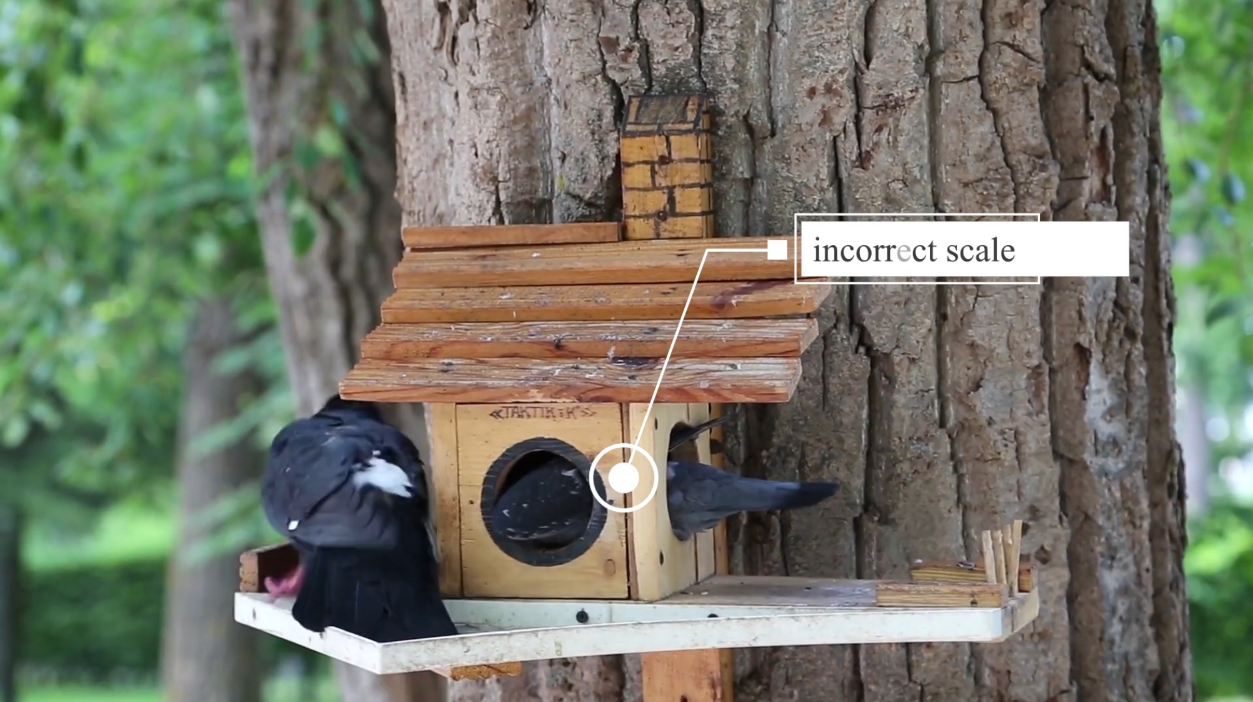
Ultimately, we can never know what the optimal experience looks like for an animal interacting with a specific man-made object. Take for example us, humans. We are still in our journey of designing everything. We criticize designs that we have right now even though they are the best of what we can do at this point in our history. And that critique comes forth in spite of the aggregated collective human effort across time and space to work on it and generate that particular design as best as we can. Ultimately we can only optimally design for the human experience because that is what we can feel, explore, and communicate.
This component of the human experience also considers what exactly is within the reach of design. Which is everything the human experience encompasses. This means anything humans can do. From a pen for writing, to a car to move, to a building to dwell in and everything in between. It also reflects on the scale of what can be designed. From a microchip to a space station as they ultimately form part of the human experience as a whole. With our more defined and accurate understanding of this component of the human experience, let's take another look at the proposed definition.
"Design is the result of the effort to create a specific and optimal human experience. "
Now, the human experience component should hold more weight and a clearer perspective in your mind and provide a deeper understanding to this definition. Let's get to the next component and do a similar exercise: effort to create.
Component #2: Effort to Create
In the second component of the definition, effort to create, there are three concepts I want to discuss.
- the artificial process
- the human instinct
- the never-ending process
Concept #1: Artificial Process
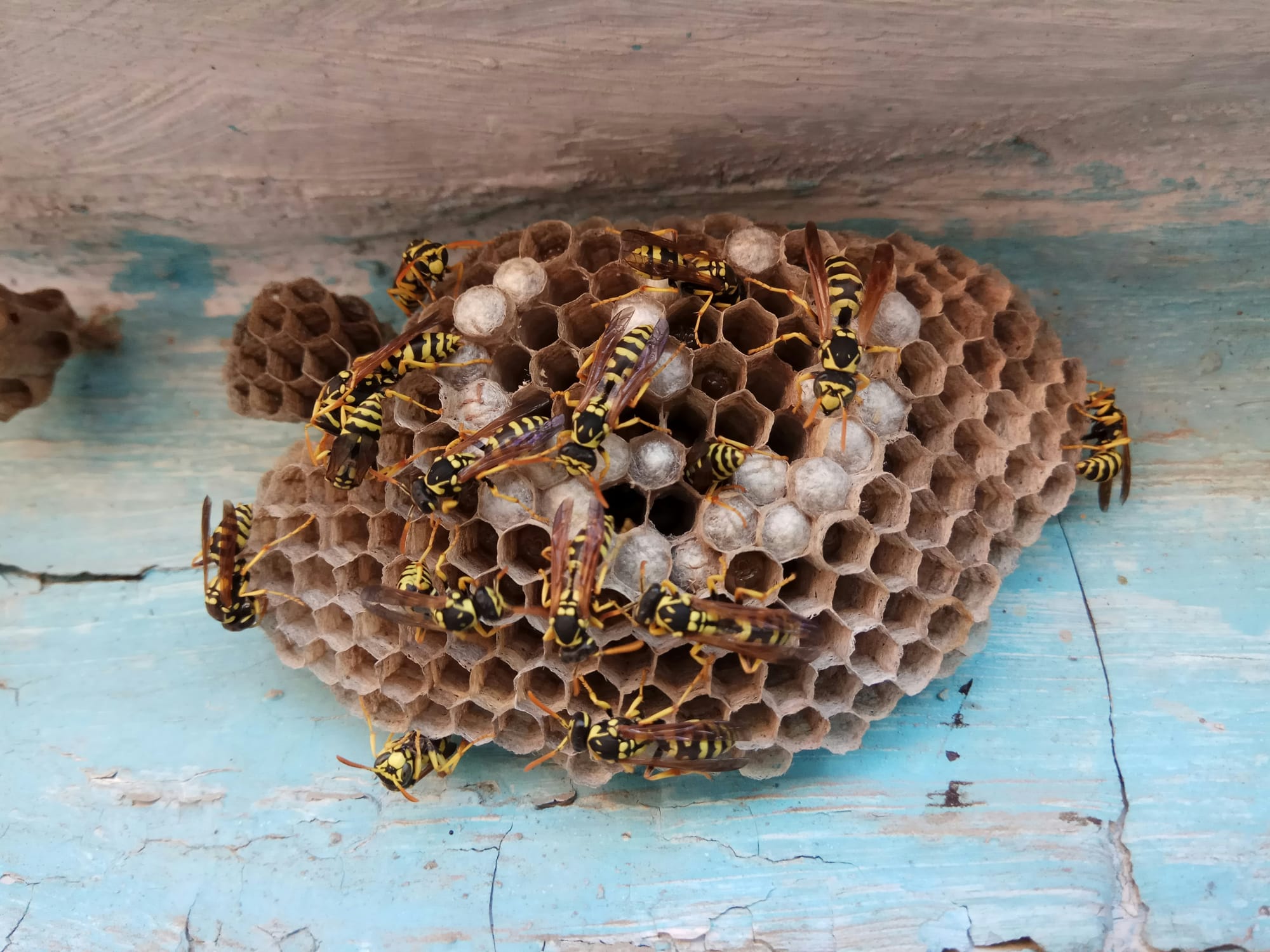
We make. Humans design things that do not come into reality if it does not involve our human effort, both intellectually and physically. Humans are needed to bring natural components into artificial constructs that will help us achieve a particular goal in a more optimal manner. This idea helps us to categorize and differentiate design as an artificial activity that does not exist in what we consider the natural state of the world.
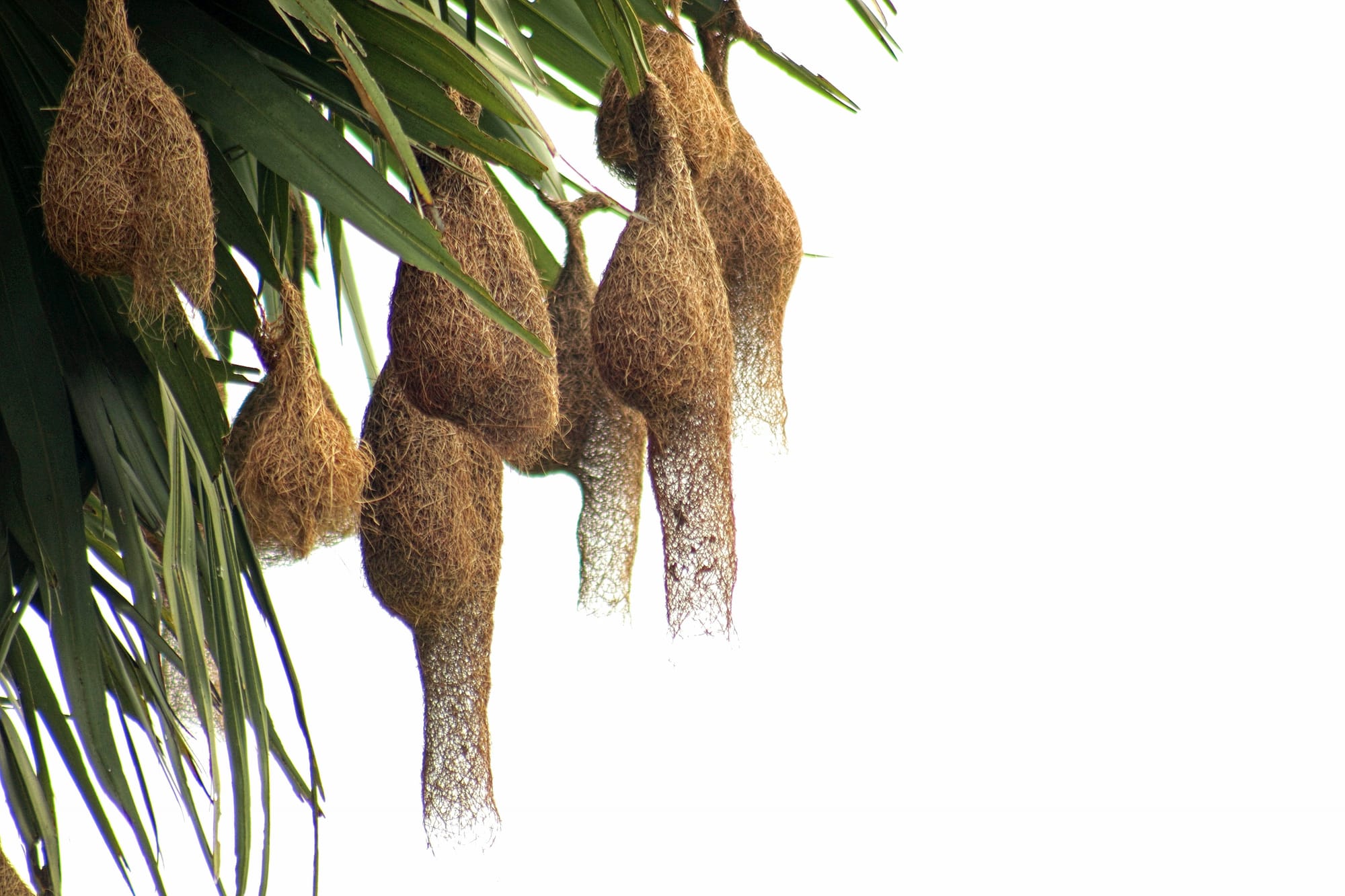
But what about birds that construct nests, bees and their hives or beavers and their great dams? Aren't they also living above the natural state? This next point helps us explore this idea in more depth.

Concept: Human Instinct
It is ridiculous to even consider that humans are not fundamentally creative and that we do not have the capacity to live above the natural state of the world that has been given to us. But this point also reflects on a fundamental and unique cognitive capacity that humans have. Asking the question "Why?".
It may seem simplistic and easy to dismiss at first glance, but as it usually is with things, if you stop and carefully think about it all other types of questions of how, what, when, and where are needed as operable variables to successfully navigate this reality. And a machine or animal can manage these variables successfully. But the ability to put forward and contemplate the question of why, is uniquely human and is what generates new directions and throws out any notion of determinism, scientific or spiritual. We are able to challenge the current state of reality because we can ask the question "why?". We are not mere victim automatons bound to an unknowable chain reaction. We are much more.
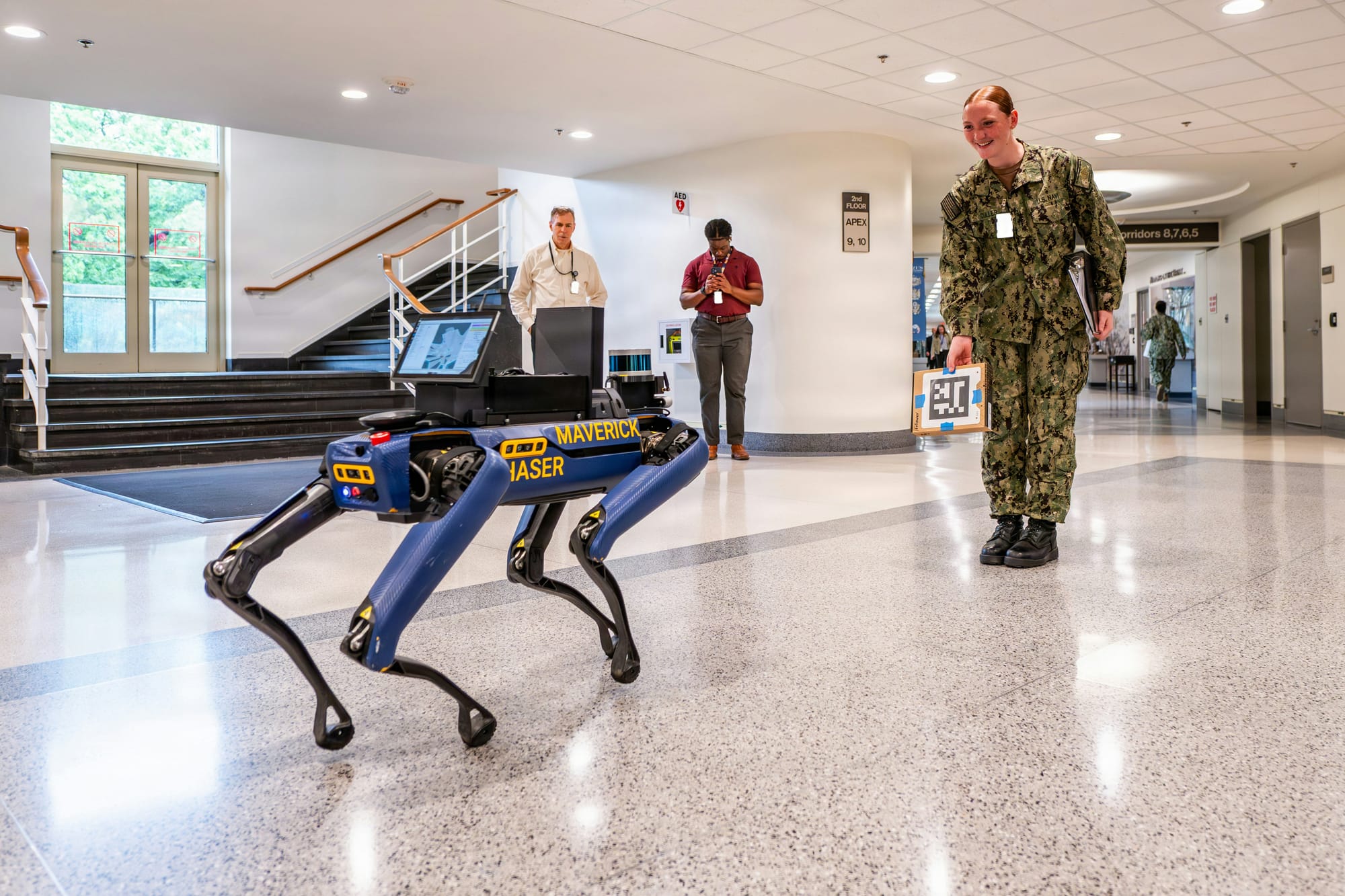

I like to think of this concept as the why postulate. Since I find it so fundamental to understanding the activity of design in relation to human nature. As designers, we are constantly challenging the state of the natural world and even our own constructed state of the world and asking "why can it not be done differently?". But "why make it better?". Someone can say "because their is better technology or better knowledge on the subject now and we can reinvent how we do things, so we should". But, "why?". And arguably the unending chain of questions would go on. The bottom line is that their is an instinct in us humans to always look for the better solution and thus the unending and unique fundamental journey of design for humans.
This also helps us to differentiate us from the other creatures that also build. These birds and beavers are not re-inventing their nests and dams every 2-3 generations, for example. Because they can't, they do not hold the cognitive capacities to be able to do so. They are bound to a specific margin of design for those nests and dams where they can adapt to their environment but they do not innovate past their established design margins.
Concept #3: Never-ending Process
Third, design is a never-ending process, as described above. Humans are inescapably engaged in a constant process of creating and renovating looking for new or more efficient ways to engage with our world. This concept is encapsulated in the "effort" word of the definition alluding to this continuous process as a fundamental component of design rather than having to achieve the final iteration of any particular design, like animals in my examples have. This is especially relevant when you take into consideration the aesthetical leanings of any one person and how that affects their preferences in design. There is never a universal better design because people naturally diverge in preferences and goals while technology is also advancing in history. Let's take another look at the definition now that I have explained what the "effort to create" component entails.
"Design is the result of the effort to create a specific and optimal human experience. "
With this we have arrived at our third and final component of what constitute my definition of design: "specific and optimal".
Component #3: Specific and Optimal
I am grouping these two words together as they fundamentally relate to each other in this context. To be able to do design we need to be able to specify what we are going to do, and how, to be able to guide all of our efforts into finding that optimal way of doing that specific thing that we are designing for. (Hint, this is a key component of how we design that will be explored in the next article of this series.) Lets look at the concepts of specificity and optimal separately.
Concept: Specificity
The higher number of problems we are trying to solve with our particular design the more complex the solution is going to end up being and by definition, less optimal. We can think about this on a spectrum. The lower the number of problems to solve with a single design the simpler the resulting design will be and vice versa, the more numerous the problems to solve the more complex the design.
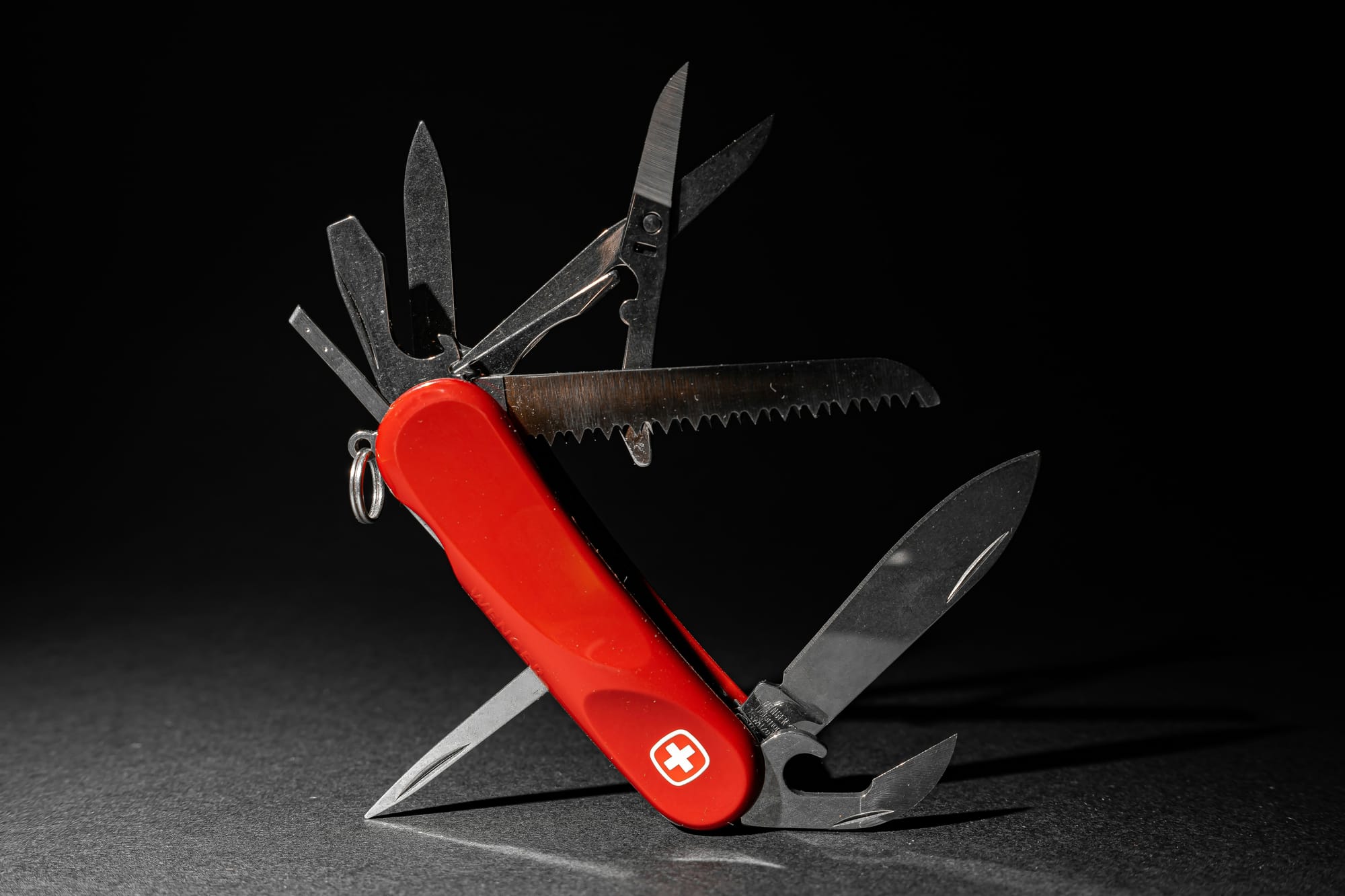
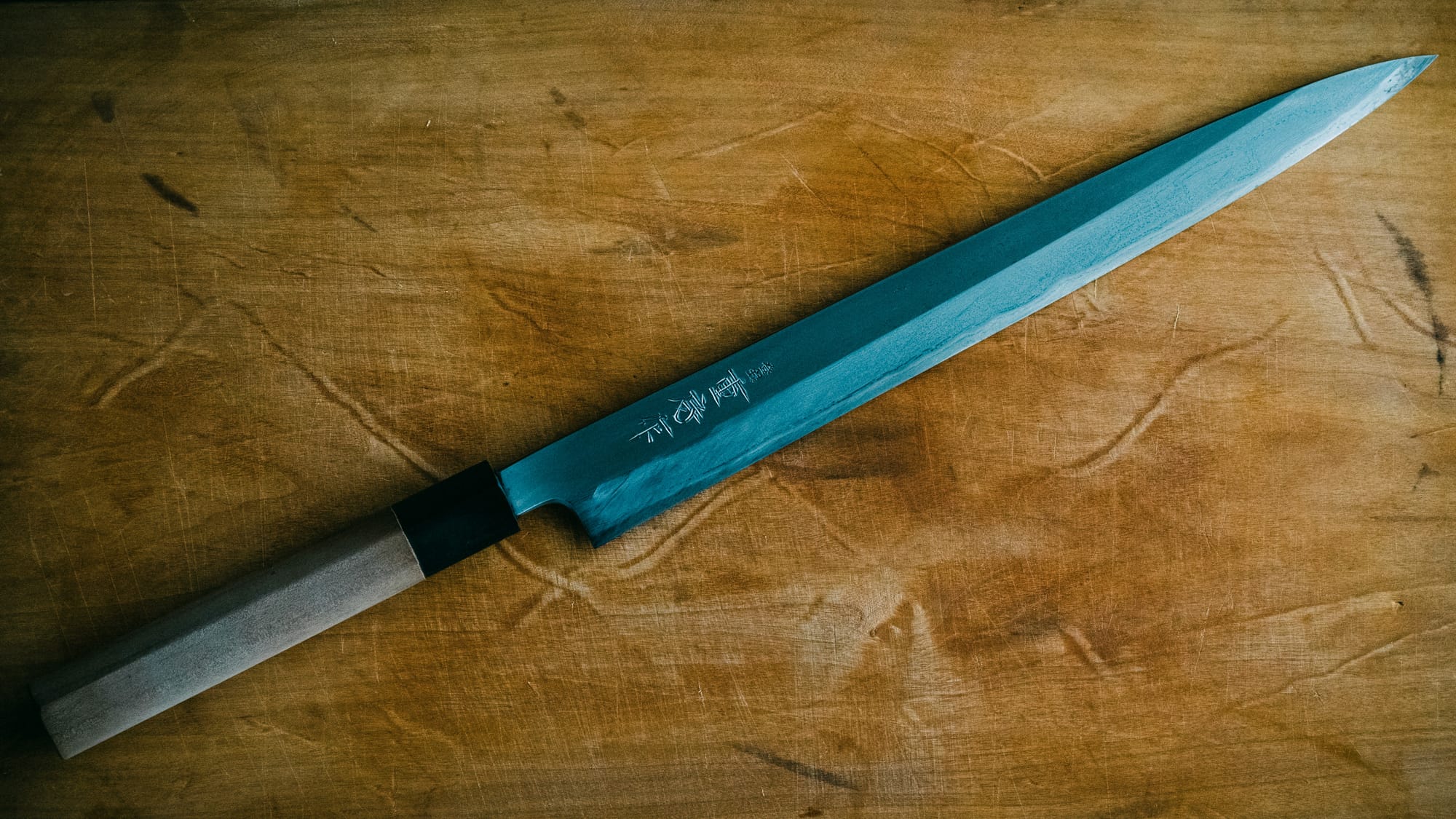
Take the Swiss knife for example, it does a lot of things but it is not the best at anything it does. Compare it to a Sushi Knife, it is meant to do only one thing and it is the best at helping humans achieve that one thing, cutting ingredients for making sushi. There is no better knife for the job. The Swiss Knife exchanges depth of experience for width of solutions. While the Sushi Knife exchanges breadth of solution for a greater depth of experience. It is a give and take, a dance of trade-offs that needs to be solidify in a design.
You can envision this spectrum as an inverted triangle (see image below). At the top we have the widest point of this triangle that symbolizes the greatest number of solutions that are being addressed by the design in question. This axis is where the breadth of solutions are measure. As you go down in this inverted triangle you are able to fit less and less options to design for. In this manner, you are able to better prioritize and assess your trade-offs the deeper into the inverted triangle you go. This depth is where the quality of the experience is measured. With the very bottom of the triangle being the state of the design where the design is being created to fulfill only one purpose, while the top is aiming and numerous goals in the same design. With this diagram we get a defined spectrum to help visualize this dynamic of trade-offs.
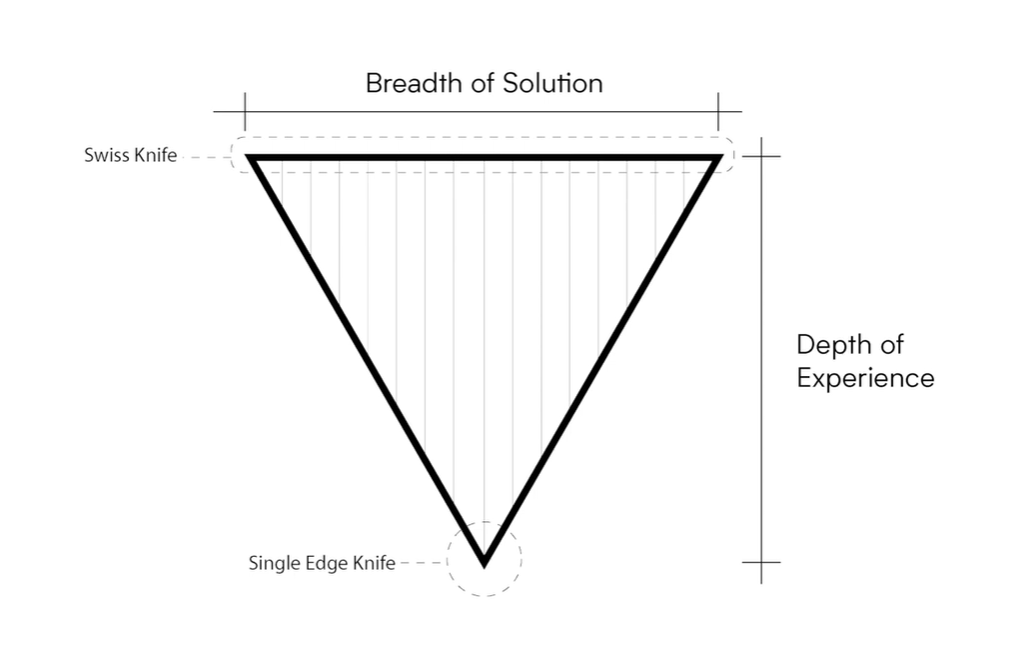
By no means is the Swiss Knife a bad design. The Swiss knife is not the optimal way to use any of the tools it provides. But it might be the best solution to provide all those tools in a pocket sized manner. Designs live in this spectrum of depth of experience vs breadth of solution and at each point of this spectrum there exists the right iteration of that design.
Concept : Optimal (Form vs Function)
For something to be optimal is not only about the specificity of the problem and the simplicity of the design as the solution. It is also about the experience of the human relating to that design, at various levels. Here is where the concept of Form vs Function is very helpful.
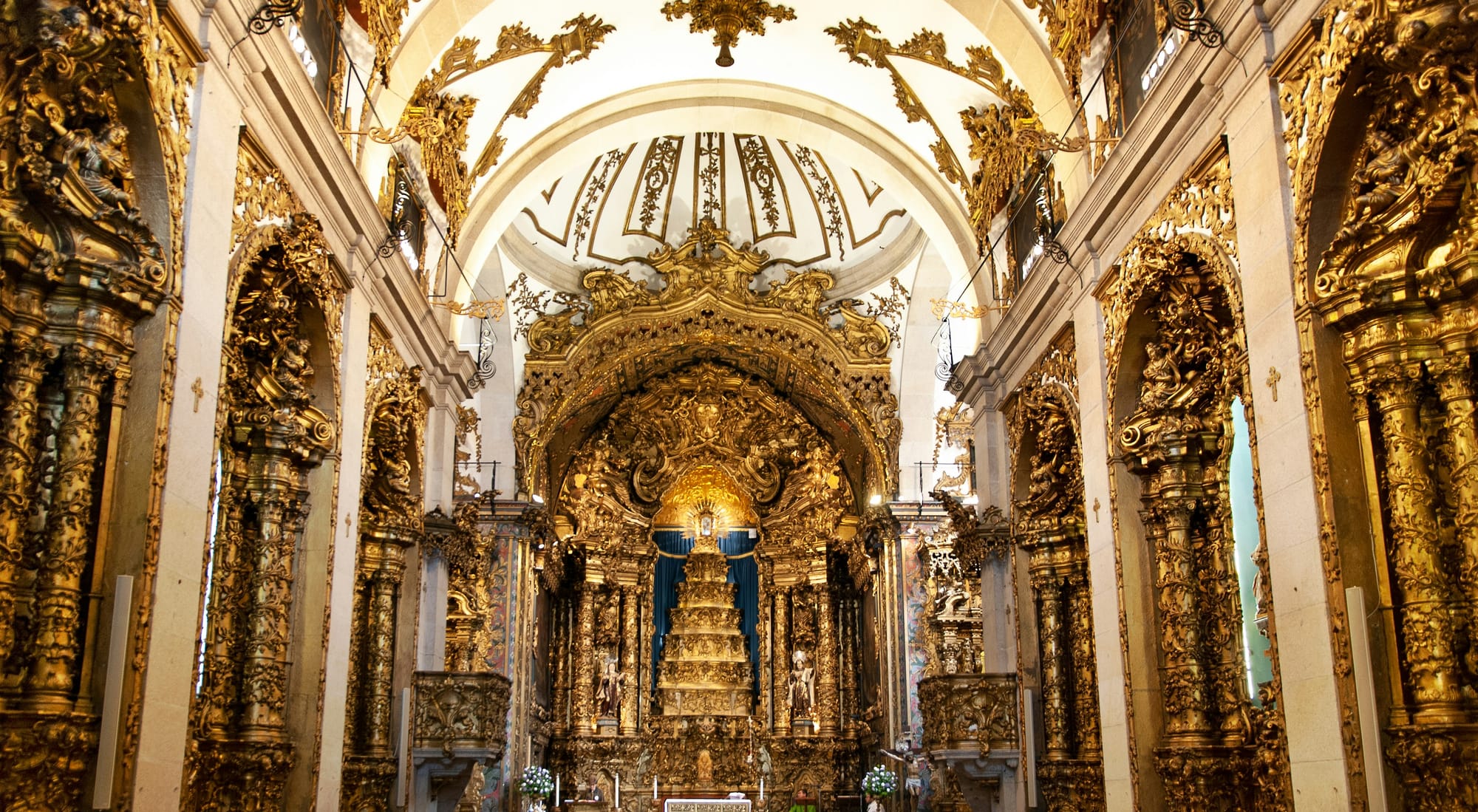
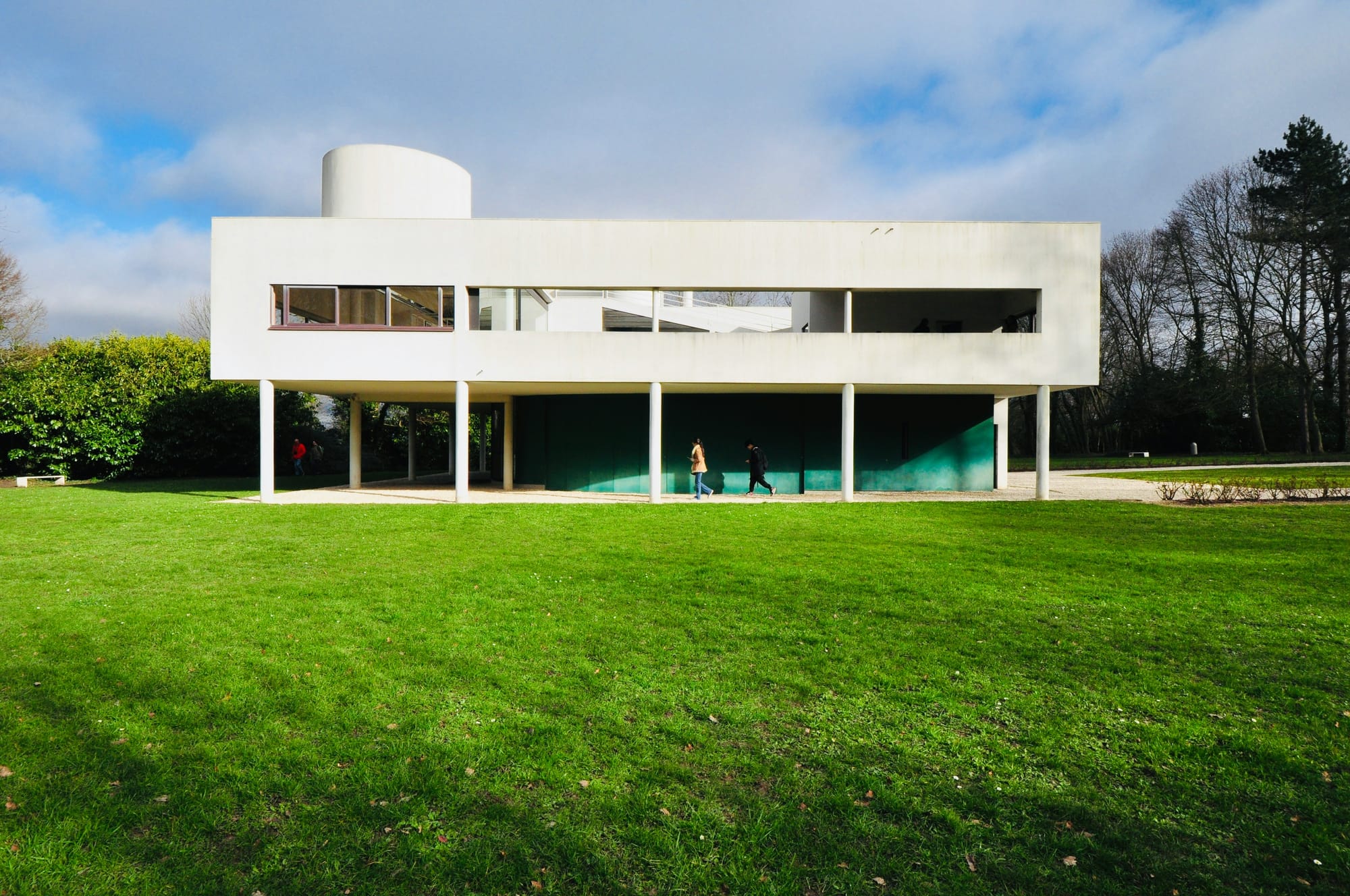
A bit of background on this very important design concept. The first iteration of this idea was Forms follows Function and it came about as a response to the over ornamentation happening in the Renaissance and Baroque periods in the architecture field. Where modernist architects like Le Corbusier and Miss Van Der Rohe were saying that the form, meaning the beauty of the design, needs to come from its function being reflected rather than non-functional, unnecessary features in the manifestation of ornamentation being added to it. Their thesis generated very stripped down and clean looking, geometrically sharp, architecture which was a very contrasting design statement against the backdrop of all the ornamented buildings at the time.
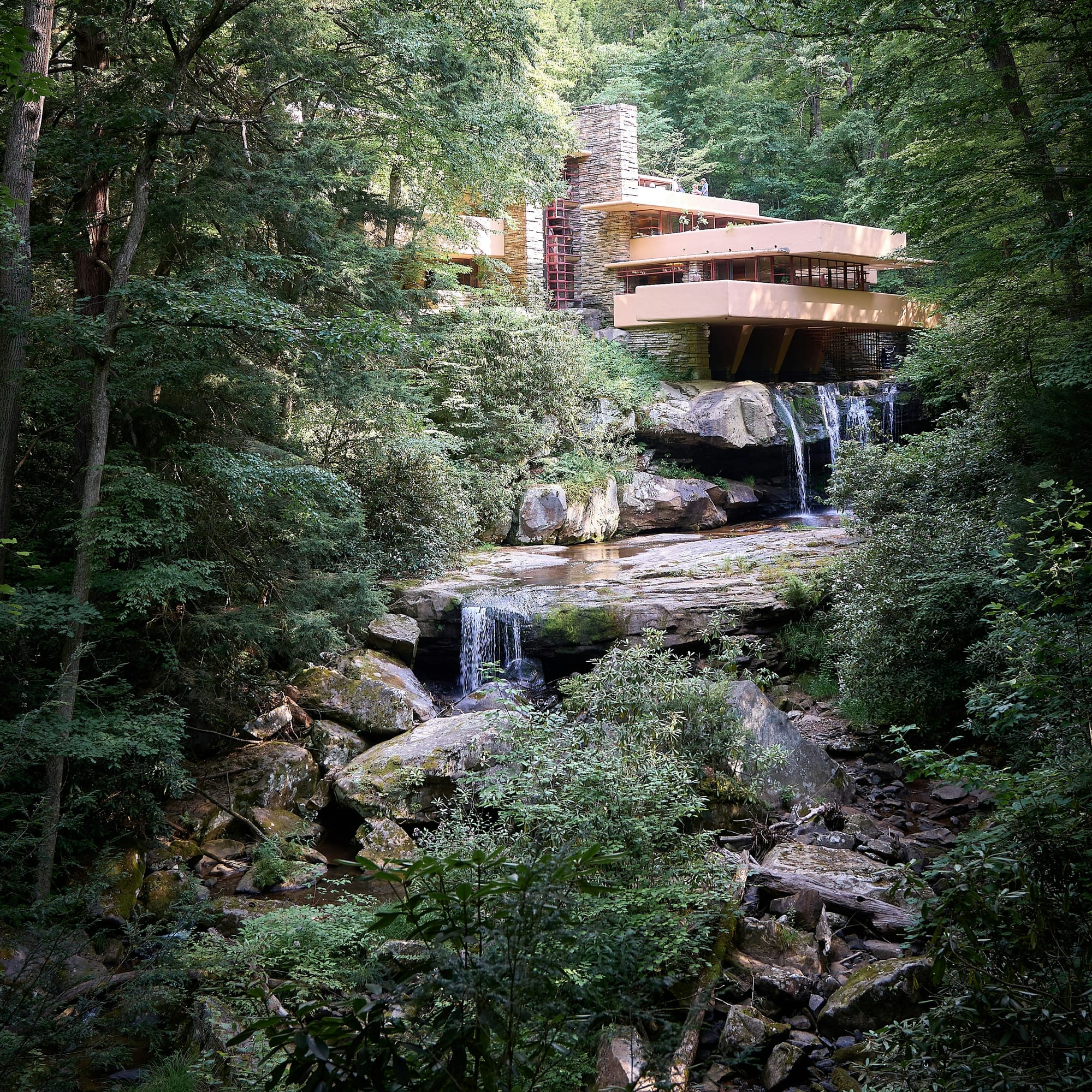
A response to this concept was put forward by american architect Frank Lloyd Wright. Frank Lloyd Wright proposed that it was both From and Function. Meaning that both the beauty and the usefulness of the design should be treated as equally important, not like in the pre-modern era where form overtook function or in the modern era where form is sacrificed to the function.
Let's look at your classical hospital design. This is a life saving design. The way rooms are laid out and related in the floor plan, distance travel paths carefully calculated, highly specialized equipment deliberately located and complex infrastructure coordinated, among many other life-dependent variables are all geared for maximum efficiency for the medical staff to operate in the space to save lives.
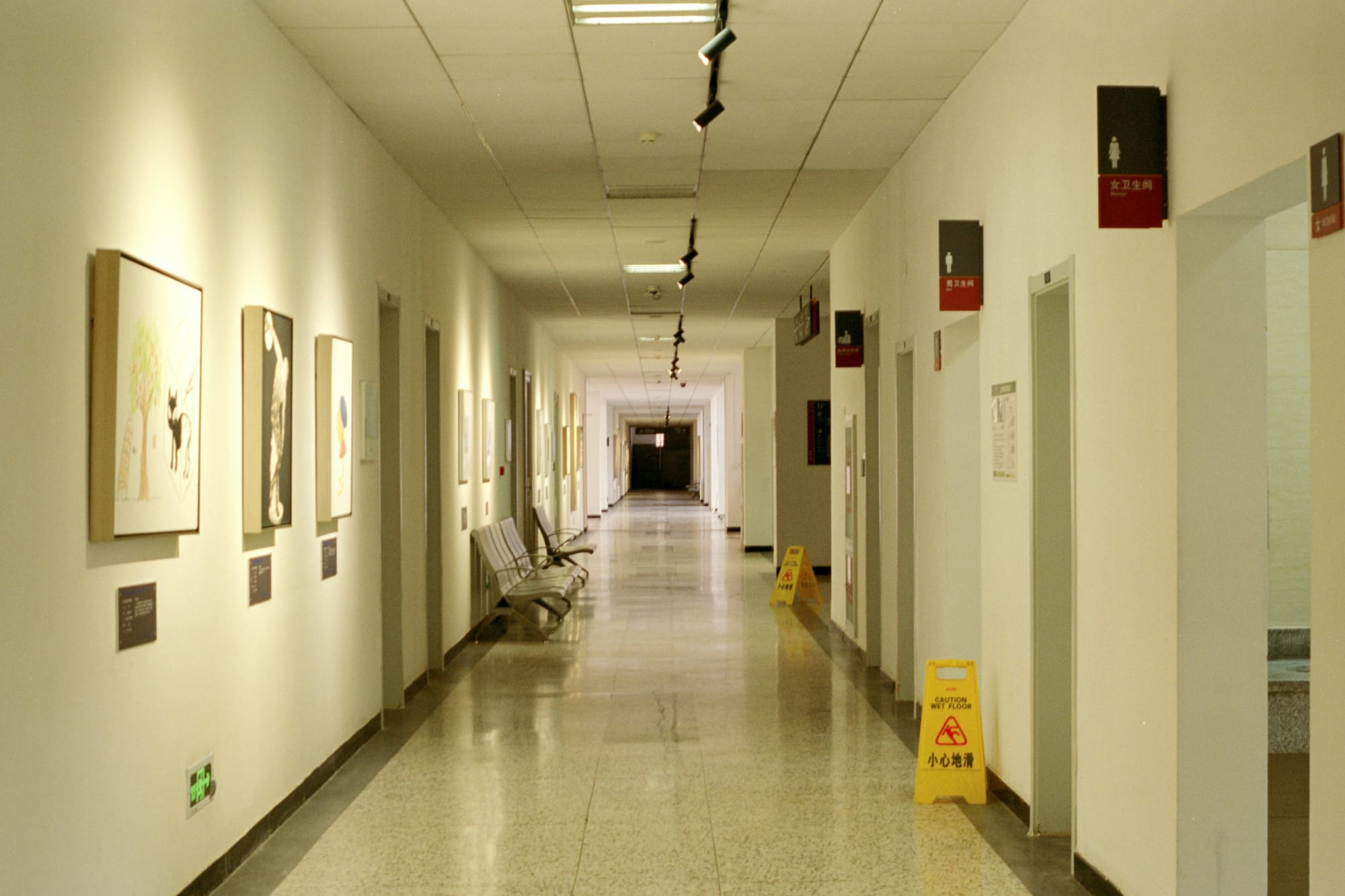
Hospitals heavily lean in the Form follows Function premise and even though they may be very efficient no one wants to be in one. And as it is well documented there are lots of efforts from environmental psychologists to make these types of spaces beautiful and appealing to the patient as that in turn has a demonstrated effect in the healing process. The form of the design, its beauty, is as important as its function, its usefulness, for the holistic human experience of healing and healthcare. Which is what Frank Lloyd Wright identified and was pointing to.
Concept: Measuring Aesthetic
But isn't beauty subjective? Is it not in the eye of the beholder? How can we say that blue is a better color than red? Even though beauty cannot be quantified in the same way as functionality can, we can still quantify it. For example, the Golden Section or its mathematical root, the Fibonacci Sequence, we humans fundamentally and inexplicably find attractive, pleasing to our perception and proportionally aesthetic. It does not matter its manifestation, it could be geometry, visual or audible patterns, among many other. And this can be quantified. That is what the golden section is. It is a mathematical documentation of an aesthetical structure that humans find beautiful.
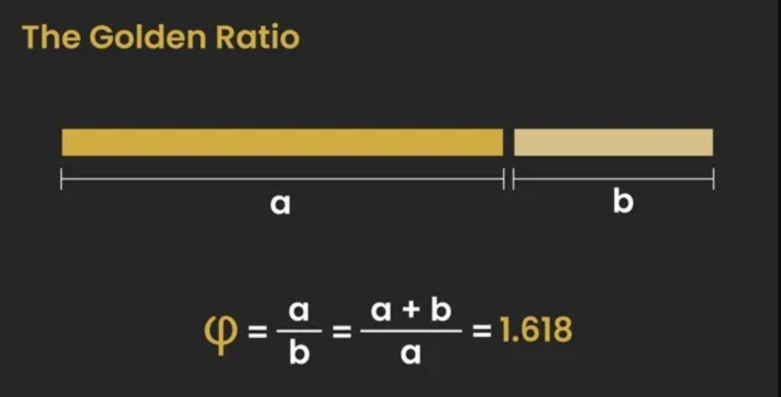
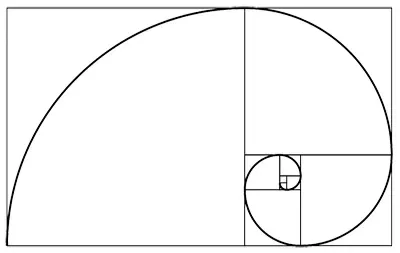
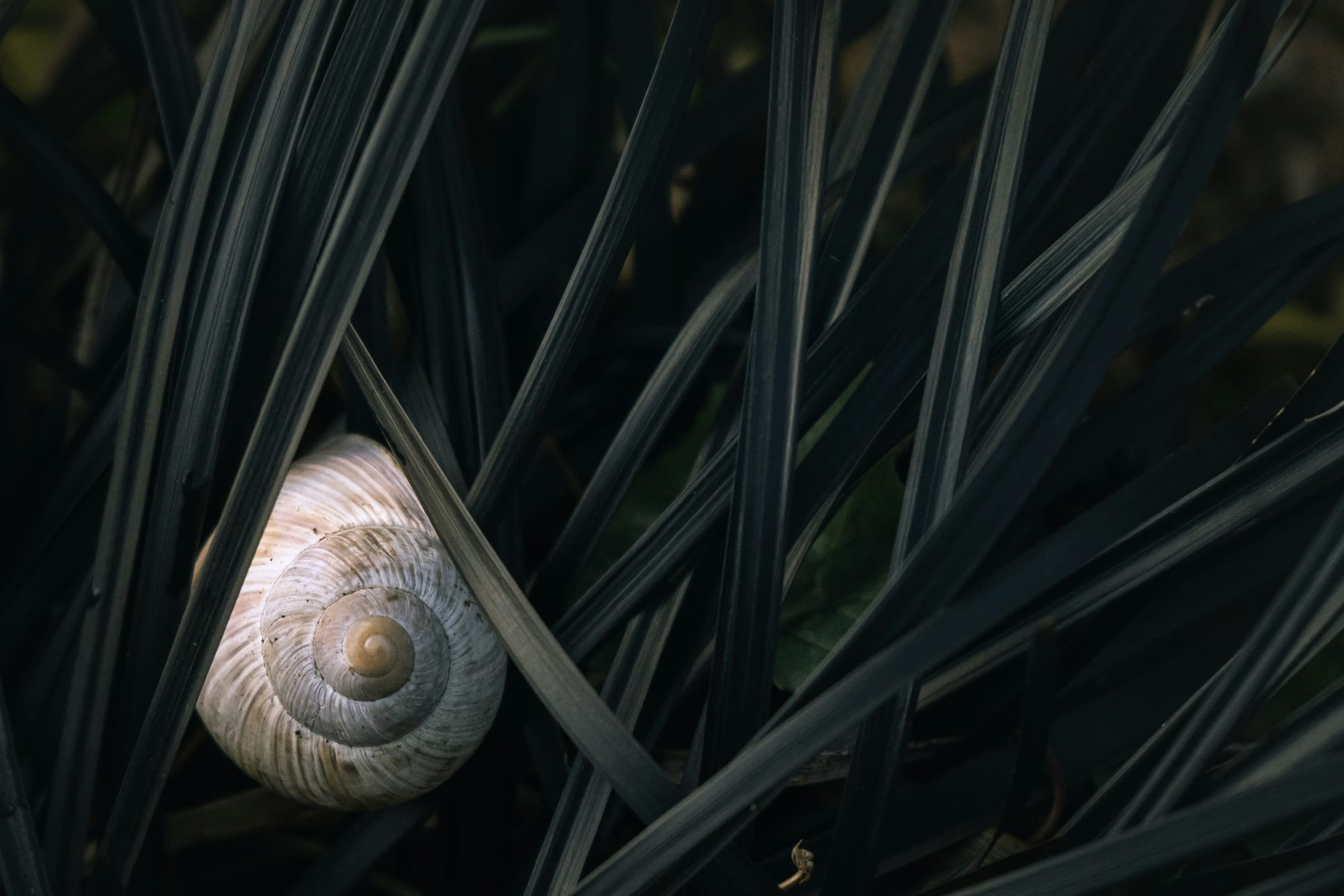
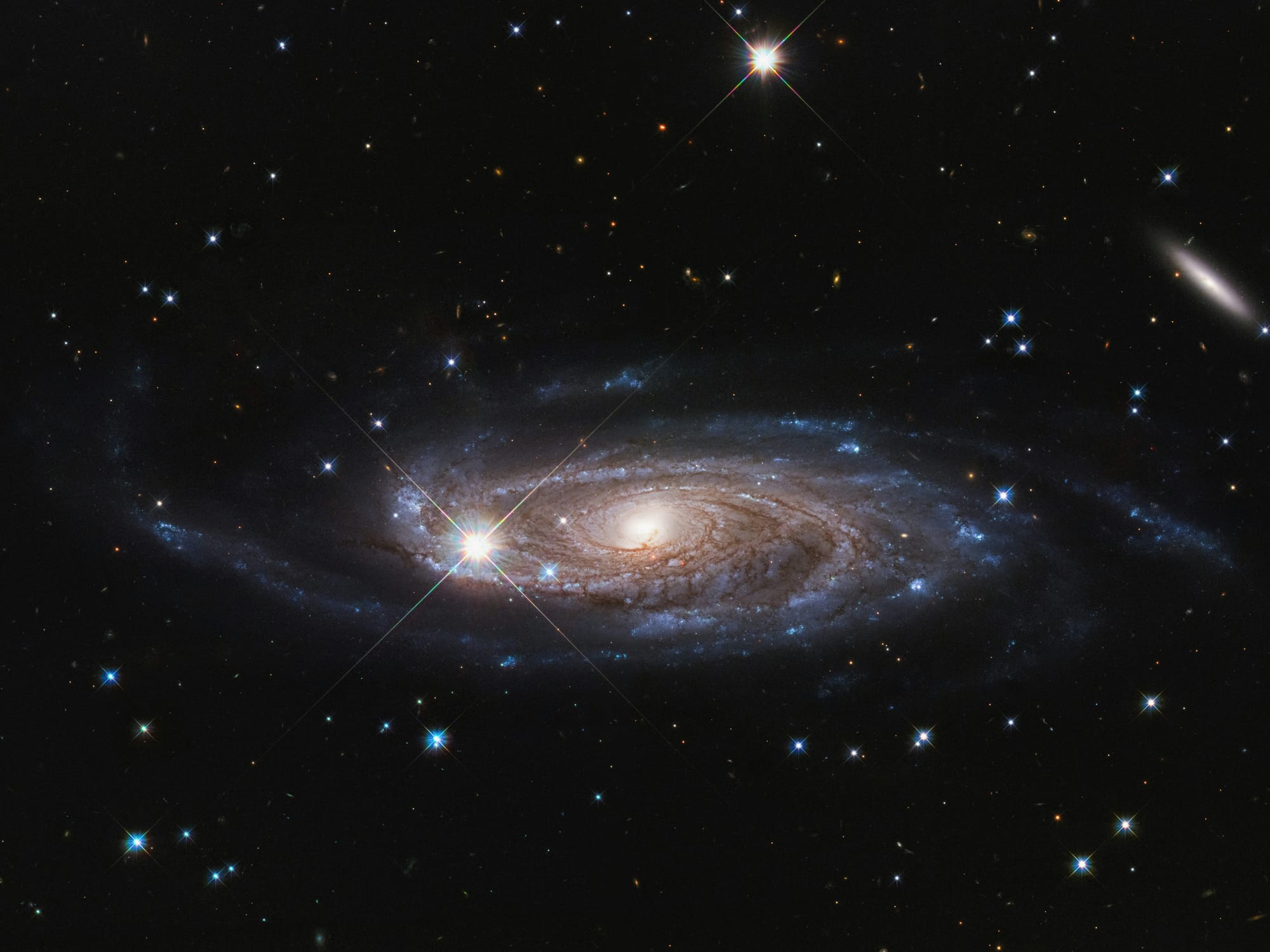
We can tell that humans as a whole, not an absolute, but as a species, we do have recognizable aesthetics leanings. We see it documented and quantified in products sales for example. If we take out the cynical but influential marketing forces we can start forming an idea of what humans find beautiful in design. From fashion, to devices, to architecture, to transportation.
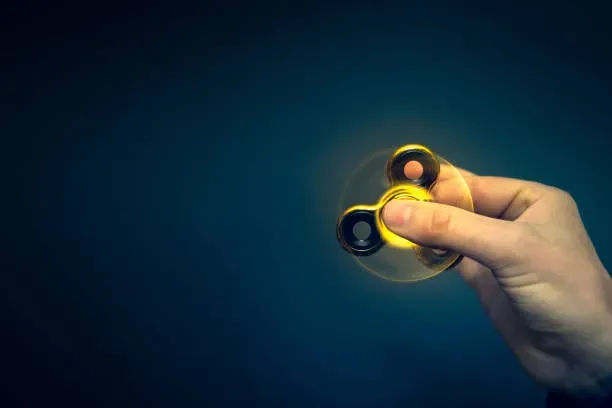
Now, when something is functional more than beautiful, like a hospital, we use it but there is friction in its use and a detrimental experience emerges from it. On the flip side, when something is beautiful but not functional, it captivates our visceral selves but we end up loosing interest in it in the short-term. It is when these two aspects are elevated equally that we have an optimal design. Where humans are captivated by its form and function and where a long-lasting, useful and pleasant relation with the design is generated.
This idea of perfect duality is taken further by Don Norman, design-researcher and author, when he expresses that Form is Function. Other designer share his idea. Like Kelly Johnson, the designer of the SR71 Blackbird, when he says that "An airplane that is beautiful will fly the same way".
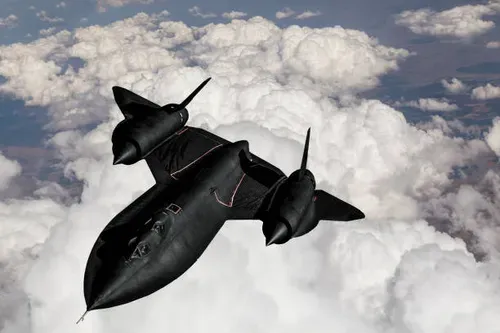
Is it because humans are made to identify what is beautiful as a measure of function?
Think about it. We find the Golden Section in nature in galaxies, plants, sea shells and many, many more instances and scales. And we presuppose that the particular design of that organism is the optimal iteration of its species for its survival in that environment, that is why it is there via the mechanism of natural selection. Is that why we find the design of the SR71 Blackbird so captivating? An airplane design that holds all of the records for its type of engine. Is that why all modern cellphone design have collapsed into the same iteration of the hand-sized black mirror?
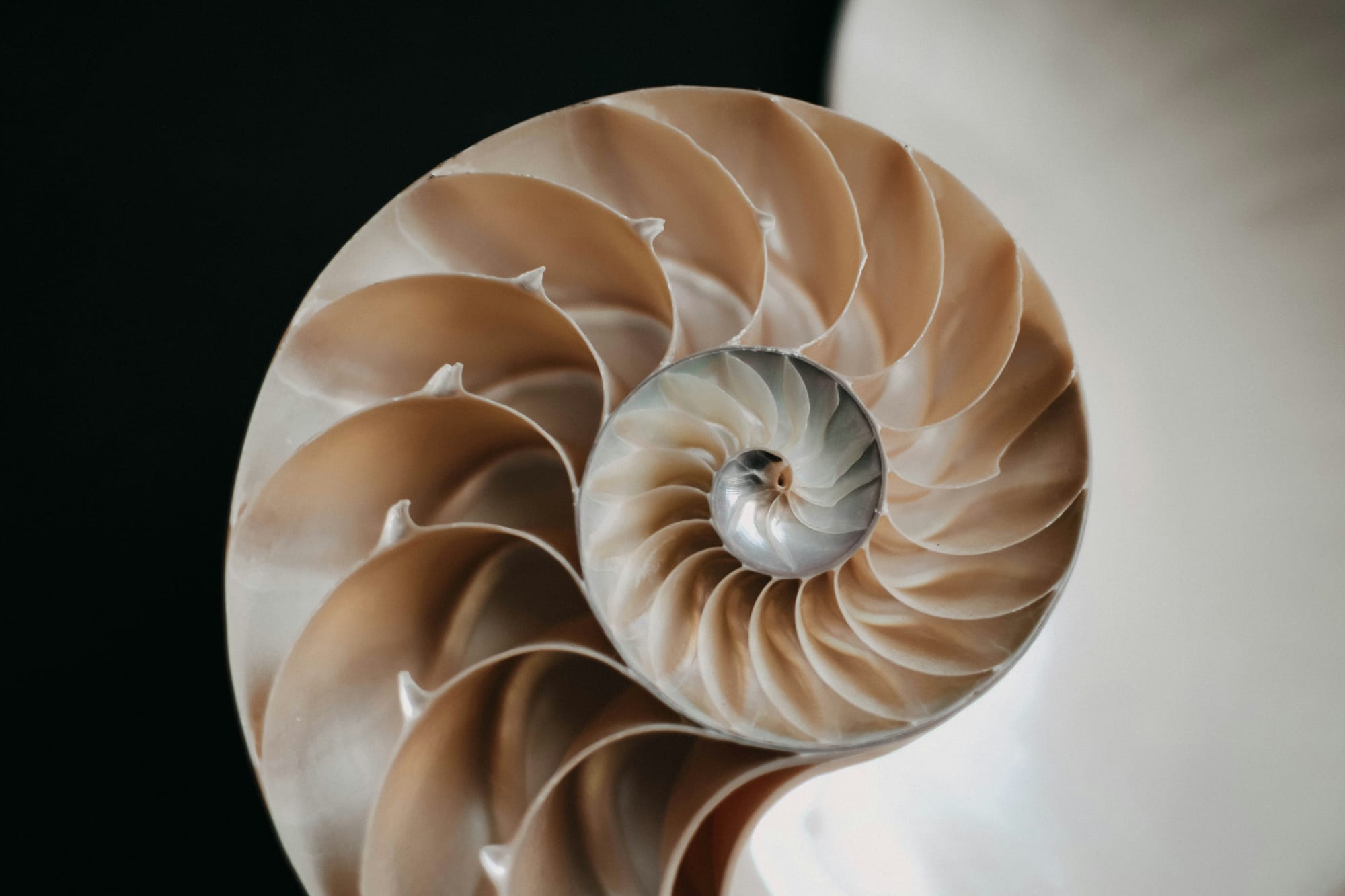

Are humans able to identified optimal functionality through aesthetics?
This idea correlates with the concept of beauty expressing truth. Like Plato and Socrates explored. Or when a scientist or mathematician find an equation that reflects reality as beautiful. In this way it does make sense that aesthetics is a reflection, or even a measure of truth of what is optimal in a design. And this balance of form and function is what we identified as a good design. An optimal design.
Now that we have covered all three components of the definition, let's revisit it one last time, now with a full understanding of all of its components.
"Design is the result of the effort to create a specific and optimal human experience. "
Conclusion
Design is the mechanism for humans to create the tools we need to experience reality and achieve things. A pen facilitates writing, not just making written communication possible but taking the form of a very specific experience of writing. Writing with a pen on paper is not the same as typing in a computer even though both of them achieve the same goal of documentation. Even further, writing with a pen is not the same as with a pencil.
We create as an innate human instinct which we are able to do because we are creative and are able to ask the question "why" challenging the natural state of the world. Creating is an artificial process, it is changing the natural state of the world to go beyond it as a never ending human endeavor. Design is specific, understanding the relationship between width of solution vs depth of experience we can better visualize why addressing a specific design challenge will permit us to generate a better design experience and vice versa, like the Swiss knife. We also took a look at what optimal means, the perfect relationship between beauty and function. Lastly, the human experience, noting that we can design for the entire human experience and only truly design for human needs.
Now by no means do I think this is the perfect and final iteration of the definition for design. But I do find it extremely clarifying and helpful to understand this fundamental and complex concept from a holistic standpoint. My hope in this article is that it has also helped you understand what design is a little bit better.
In the next article of this series we will explore how humans design, the verb and action of making design happen. This will help us round our holistic exploration of the phenomenon of design as we would have considered it from the theoretical/philosophical perspective and the practical and functional end point. After that, this series will focus on exploring and expanding on specific concepts at a deeper and more focused level to further help us understand design.
See you in the next article,

Outro
Books recommended (affiliate links) come from my own personal library and my suggestion to you relating to the topic of today's article.
- The Golden Ratio: The Divine Beauty of Mathematics by Gary B. Meisner
- Beauty: What is it & Why It Matters by John-Mark L. Miravalle
- The Design of Everyday Things by Don Norman
- Emotional Design: Why we love (or hate) everyday things by Don Norman
If you are excited by what this blog is about, sign up below so you don't miss anything Make sure you share the article and blog with your friends and family to help me grow!
If you are interested in supporting my work, please feel free to tip me using the button below. Any contribution is more than welcome and a giant dopamine hit. Your direct contributions and affiliate links are the only monetization strategies I have decided to run on.
If you would rather tip me using Bitcoin, the dopamine hit is even greater! You can send me some Sats via Lightning or On-chain. Let me know in the comment section below if you do so I can thank you!
- Lightning address:
warningscout761@walletofsatoshi.com - On-Chain Address: bc1p0yerzp3wech9vra75pcy0rnjh2w4unfaysj4gtjs8jn8cpwqx0dste3pkz


Follow me on Nostr! by clicking on the link or by scanning the QR code below.
I am always looking for new ideas and perspectives on the topics I write about. If you haven't already, sign up to be able to comment and let's start a conversation below.
Thanks for reading!